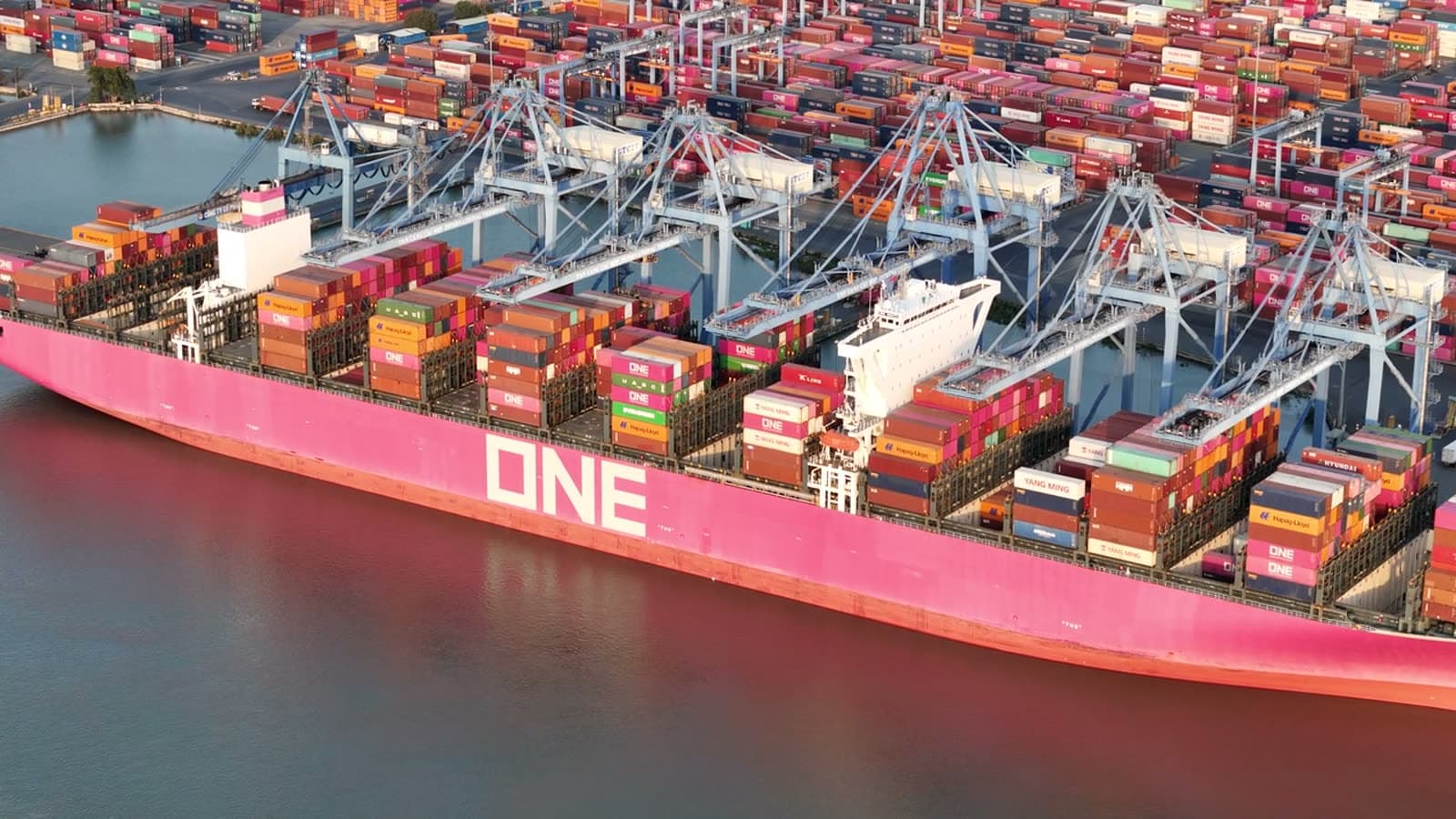
Choose the transport around the goods
Get comparable door-to-door estimates for the shipment's actual dimensions, weight, value and destination. The cheapest headline freight rate may exclude origin handling, destination charges or inland delivery.
| Mode | Usually fits | Ask about |
|---|---|---|
| Courier or express | Samples and small, time-sensitive parcels | Check whether the product is allowed by that channel and what clearance and duty the courier will charge. |
| Air freight | Smaller commercial shipments where speed matters | Compare chargeable weight, origin and destination handling, and airport-to-door delivery. |
| Sea freight | Larger or heavier shipments | Ask for LCL or full-container quotes; include consolidation, port, storage and inland transport. |
Compare the total cost and the risk of delay, not only transit time. Ask a forwarder whether your product needs special handling or documents.
Put a named Incoterm on the order
An Incoterm states where delivery and risk transfer and which party pays for parts of the journey. Write the version and named place, for example “FCA Shenzhen, Incoterms 2020”; a bare “FOB” or “door delivery” leaves too much unclear.
| Term | What to check |
|---|---|
| FCA, named place | Supplier delivers to the carrier at the named origin point. The buyer arranges main freight. Often clearer for containerised cargo. |
| CIF, named Indian port | Supplier pays ocean freight and minimum insurance to the port. It is a sea-transport term; risk transfers when goods are on board in the origin port. |
| DAP, named destination | Supplier arranges carriage to the named Indian destination, while the buyer handles import clearance and duty. |
| DDP, named destination | Supplier takes responsibility for import clearance and duties too. Confirm who can legally act as importer and how the declaration and tax documents will be handled before accepting this quote. |
The ICC advises FCA, CPT or CIP for many containerised or multimodal shipments rather than assuming FOB or CIF fits every shipment.
Reconcile the documents before dispatch
DGFT lists three core import documents: the transport document (such as a bill of lading or air waybill), a commercial invoice cum packing list or separate invoice and packing list, and the Indian Bill of Entry. Regulated products can need additional certificates, permissions or declarations.
- Match the buyer, seller, product description, quantity, value and currency across the order and invoice.
- Match carton count, weights and marks between the packing list and freight booking.
- Confirm the shipper, consignee and notify party on the transport document with your forwarder.
- Have the product-specific approvals ready before the cargo arrives.
Follow the Bill of Entry through Indian customs
Your importer or licensed customs broker files a Bill of Entry through Indian Customs, with documents submitted electronically where required. Customs assesses the declared classification, value and applicable duties and may ask questions or examine the goods. After required approvals and duty payment, customs issues out-of-charge release. Track the filing and any queries through your broker or ICEGATE.
Keep the final Bill of Entry, duty payment records and supplier documents with your purchase records. Check the duty calculation guide and the landed cost calculator before you price the goods for resale.
Budget beyond the freight quote
Include cargo insurance, customs duty and IGST, broker and handling fees, port or airport charges, storage if documents are delayed, and delivery to your premises. Ask which charges are estimates and when storage or demurrage starts. For a first shipment, leave room for inspection and document corrections.
Questions
Does CIF mean the supplier bears the risk until arrival in India?
No. Under CIF, the seller pays freight and minimum insurance to the named port, but risk transfers when the goods are loaded on board at the origin port. If you need wider insurance, arrange it explicitly.
Which documents are mandatory for import into India?
DGFT lists a transport document, commercial invoice cum packing list (or separate invoice and packing list), and Bill of Entry. A restricted or regulated product can require additional approvals and documents.
Can a freight quote include customs duty?
Some quotes bundle multiple charges, but ask for an itemised breakdown and identify the importer of record. Duty depends on the declared product classification, assessable value and current notifications; confirm it independently before ordering.